
Effective Drainage Solutions for Backyard Design: Keeping Water Under Control
- Blisswood Landscape Expert
- Nov 22, 2024
- 5 min read
When designing a beautiful backyard or outdoor living space, one of the most important yet often overlooked aspects is proper drainage. Without a well-thought-out drainage plan, even the most carefully planned patios, walkways, and garden beds can suffer from unsightly water pooling, erosion, or water damage. This can lead to structural issues, plant problems, and a general lack of usability in your outdoor space. Understanding drainage is key to ensuring that water flows properly through your yard, stays underground when necessary, and doesn’t cause long-term problems.
In this blog post, we’ll explore effective drainage solutions for backyard design, including how to avoid pooling on patios, keep water underground, and incorporate key systems like weeping tiles, dry wells, and swales into your landscape plan.
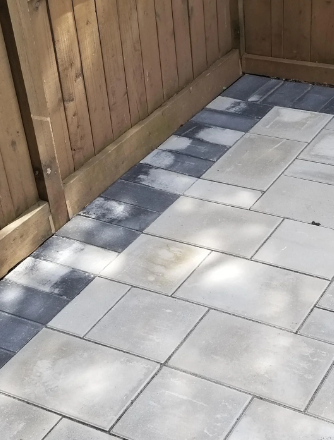
1. Avoiding Pooling on Patios: Proper Sloping and Surface Choices
The Problem:One of the most common drainage issues that homeowners face with patios, walkways, and driveways is water pooling. If the surface isn’t properly sloped, rainwater or runoff can accumulate in low spots, creating puddles that detract from the appearance and functionality of your outdoor space. Standing water can also cause structural damage over time, especially to materials like wood, concrete, or natural stone.
Solution:
Proper Sloping: One of the most effective ways to avoid pooling on patios and other flat surfaces is to ensure proper sloping during installation. A slope of 1-2% (about 1/8 to 1/4 inch per foot) away from your house or any other structures is typically recommended. This means that for every foot of patio, the surface should slope slightly downward to direct water away.
Surface Materials: Permeable materials like permeable pavers, gravel, or porous concrete allow water to drain through the surface, reducing the risk of pooling. These materials are designed to help water infiltrate into the ground rather than running off the surface.
Pro Tip:When designing a patio or walkway, remember that the water needs to be directed to an appropriate drainage solution. Avoid directing water toward your foundation, basement, or neighboring properties.
2. Keeping Water Underground: Subsurface Drainage Solutions
The Problem:Surface water that doesn't drain properly can wreak havoc, but water running beneath the surface can be just as problematic. Without proper planning, water can accumulate in the soil below your patio or garden beds, causing erosion, plant damage, and even weakening the foundation of structures. Keeping water underground and directing it to appropriate channels is crucial for maintaining a stable, dry environment.
Solution:
Weeping Tiles (French Drains): Weeping tiles (also known as French drains) are a highly effective solution for underground drainage. These perforated pipes are laid in a trench filled with gravel or crushed stone. The pipes allow water to seep into the gravel, where it’s carried away and diverted to a drainage area, such as a dry well or a stormwater system. Weeping tiles are especially useful around foundations, under patios, or along the edges of garden beds to keep water from pooling.
Downspout Extensions: Ensure that your downspouts are extended away from the foundation and direct water to a French drain or dry well. This prevents water from collecting near your house, where it could lead to basement flooding or foundation problems.
Pro Tip:When installing weeping tiles or French drains, ensure that they are pitched slightly downhill to direct the water toward the drainage area and prevent blockages.
3. Dry Wells: Storing Excess Water Below Ground
The Problem:Sometimes there’s simply too much water to drain away with surface solutions like slopes or weeping tiles. If water continues to pool or flow through your yard, it may overwhelm your drainage system or lead to runoff into neighboring properties or streets.
Solution:
Dry Wells: A dry well is an underground structure designed to collect and temporarily store excess water. It’s typically filled with gravel or rocks and may be connected to weeping tiles or downspouts. When rainwater flows into the dry well, the water slowly percolates through the gravel and into the surrounding soil, preventing pooling and runoff. Dry wells are particularly useful in areas where surface drainage is not feasible, or when dealing with a significant amount of runoff from large impervious surfaces like driveways or rooftops.
Pro Tip:Ensure that dry wells are located far enough from your foundation, patios, or other structures to avoid water seepage or flooding. They should also be large enough to accommodate heavy rainfall.
4. Understanding Swales: Managing Water Flow Across Your Yard
The Problem:When designing a backyard landscape, it’s important to understand how water flows naturally across your property. In some cases, water from higher points in your yard may collect in lower areas, causing erosion or pooling. Without proper direction, this natural water flow can lead to serious landscaping problems.
Solution:
Swales: A swale is a shallow, broad ditch or depression that helps direct water flow away from problem areas. It’s typically filled with grass or other vegetation and is designed to slow down and filter water as it moves through your yard. Swales can help manage water runoff from patios, driveways, or garden beds by channeling it to a drainage area, dry well, or natural waterway.
Constructing Swales: Swales can be designed to fit the natural contours of your land, providing a way to divert water from low-lying areas to areas where it won’t cause damage. Swales can be especially effective on sloped properties where water naturally moves downhill.
Pro Tip:If your yard has a slope, use swales in combination with French drains to effectively control water flow. Swales can direct water into a drainage system, preventing erosion and promoting proper infiltration.
5. Tying in Eavestroughs: Diverting Water From Roofs
The Problem:Water running off your roof can contribute significantly to drainage problems around your patio, garden, or foundation. If your eavestroughs (gutters) are clogged or improperly directed, water may pour directly onto your lawn, causing pooling or erosion.
Solution:
Extend Downspouts: Make sure that downspouts from your eavestroughs are extended at least 4-6 feet away from your foundation. Using flexible downspout extensions can help guide rainwater toward a drainage solution like a French drain, dry well, or swale.
Clean Eavestroughs Regularly: Regular maintenance of your gutters ensures that water flows smoothly through the downspouts and is directed away from your home and patio areas. Clogged gutters can result in overflowing, which can lead to foundation damage and pooling around your patio.
Pro Tip:Consider installing rainwater diverters or gutter guards to prevent debris from clogging your eavestroughs, ensuring efficient water flow throughout the year.
Conclusion: Proper Drainage is Key to a Functional Backyard Design
Good drainage is essential to maintaining a healthy, functional, and beautiful backyard. Whether you’re preventing pooling on patios, keeping water underground with weeping tiles, managing runoff with swales, or directing water into dry wells, understanding how water flows through your landscape is key to successful design. By integrating these drainage solutions into your backyard plan, you can protect your investment, prevent water damage, and ensure that your outdoor space remains usable and enjoyable for years to come.
Take the time to assess your property’s unique water flow patterns, and plan accordingly. With the right drainage strategy in place, you’ll be able to create an outdoor living space that’s as functional as it is beautiful.


Comments